Why Nail Polish Chips, and How to Make a Manicure Last | Mavala UK
Polish that lifts the day after you paint it, wear that always starts at the tips, and a bottle that has gone thick and gluey. These are the three most common manicure complaints and they have three different causes, none of which is the polish being bad. Here is what is actually going on, including the one storage myth worth clearing up: the fridge will not keep your polish fluid, and it is not where thickening comes from anyway.

summary
Most chipping starts before the colour goes on
If polish lifts within a day, the usual culprit is what was on the nail underneath. Polish needs a clean, dry, slightly matte surface to grip. Anything oily gets in the way, and that includes hand cream, cuticle oil and the natural oils on your own nail plate. It is a genuinely common sequence: oil the cuticles, moisturise the hands, then paint. The care step sabotages the colour step.
The order that works is the other way round. Do the oiling and the moisturising the night before or well after painting, and go into a manicure with nails that have been wiped with polish remover even if they are bare, because that takes off the surface oil. Then let each coat dry properly before the next. Thick coats trap solvent underneath, and a layer that is still soft in the middle peels rather than wears.
Why it always wears at the tips first
The free edge, the part of the nail past your fingertip, does nearly all the work. It taps keyboards, opens tins, hunts in handbags and takes every knock before the rest of the nail does. So wear starting there is not a fault in the polish. It is simply where the friction is.
The fix is capping. After you paint each coat, run the brush lightly along the free edge itself so the polish wraps over the tip rather than stopping at it. Do it with the base coat, the colour and the top coat. It takes a couple of seconds per nail and it is one of the most effective things you can do to stop wear starting at the tips.
What a base coat is actually for
A base coat is not an optional extra step, it is the layer that gives colour something to hold on to. 002 Base + Silicium forms a protective barrier between the nail and the pigments in polish, which helps prevent yellowing, and it improves adhesion so the colour stays put longer. If you paint colour straight onto a bare nail, you are asking polish to stick to a smooth, slightly oily surface, which is the one thing it does not do well.
There are bases for particular problems too. Ridge Filler smooths an uneven nail surface, which matters because ridges stop polish sitting flat and shorten wear. Hydra-Base Coat is water-based and made for dry, brittle nails, and Mava-Strong Base is designed for weak nails that meet a lot of water and detergent.
Top coat: shine, or armour?
Base coat and top coat are not interchangeable and doing one does not cover the other. The base is about grip and protecting the nail from pigment. The top coat is about sealing the colour in and taking the daily abrasion so the colour underneath does not.
Colorfix is enriched with acryl and forms a shiny, flexible film that protects polish from chipping and prolongs wear. Flexible is the word doing the work there: a coating that moves slightly with the nail survives knocks better than one that sets hard and shatters. Gel Finish Top Coat is the one to reach for if you want the plumped, high-gloss look of gel without a UV lamp, and it comes off with ordinary polish remover rather than soaking or filing.
One habit worth adopting: reapply a thin layer of top coat every couple of days. It renews the surface that is taking the wear and can extend the life of the manicure.
Touch-dry is not the same as fully hardened
A lot of ruined manicures happen in the first hour, because polish that feels dry to a light touch is still soft underneath. Ordinary polish hardens as its solvent evaporates, and that takes longer than the surface suggests. It is why a sheet crease at bedtime can dent a manicure painted at nine o'clock. Mavadry gets polish touch-dry in about a minute while adding shine and protection, and Oil Seal Dryer speeds drying while nourishing the cuticles at the same time. Neither removes the sensible advice: give it longer than you think before anything demanding.
Why polish thickens, and why the fridge does not help
This is the one people get backwards. Nail polish turns thicker when it is cold and thinner when it is warm, so a bottle straight from the fridge is harder to work with, not easier. Polish is happiest at ordinary room temperature. More to the point, the fridge is not where lasting thickening comes from at all.
Thickening has almost nothing to do with where you keep it. Mavala's own long-standing technical advice puts nail enamel at roughly 70 to 80 per cent solvent, with the remaining 20 to 30 per cent being the film-forming resins, colour pigments, plasticisers and other solids. Every time you open the bottle, some of that solvent evaporates and the solids stay behind. Enough openings and what is left is a thick, gluey version of what you bought.
The fix is to put the solvent back. A few drops of Thinner restores the original consistency, and it is completely normal to need a drop or two every time you use an older bottle. The colour will not go paler, because the pigments never left. If you overdo it, leave the cap off for a few moments and let a little evaporate back off.
Never thin polish with nail polish remover. Remover is designed to break polish down, not keep it fluid, and it will ruin the bottle. Two habits prevent most thickening in the first place: work quickly, because the longer the bottle sits open the more solvent escapes, and wipe the neck of the bottle and the inside of the cap with remover after each use so the cap seals properly.
Why does my nail polish come off the day after I paint it?
Almost always oil on the nail or coats applied too thickly. Wipe bare nails with remover before you start even if there is no colour on them, use a base coat, keep each layer thin, and save the hand cream and cuticle oil for afterwards.
Why does polish wear off at the tips of my nails first?
Because the free edge takes the friction. Cap the tips: draw the brush along the edge of the nail with every layer, base, colour and top coat, so the polish seals over the end rather than stopping short of it.
Should I keep nail polish in the fridge?
No. Polish thickens in cold and thins in warmth, so the fridge works against you. Keep bottles at normal room temperature, out of direct sun, with the caps sealed tightly.
Can I use nail polish remover to thin thick polish?
No, and it is worth being firm about this one. Remover exists to dissolve polish, not to restore it, and using it will spoil the bottle. Use a proper thinner instead, a few drops at a time.
Do I really need both a base coat and a top coat?
They do different jobs. The base coat helps colour adhere and protects the nail from pigment. The top coat seals the colour and absorbs the daily wear. Skipping either shortens how long the manicure lasts, and skipping the base is what lets strongly pigmented polish yellow the nail underneath.
Shop online
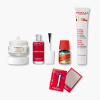
The products in this guide, in the order you would use them: two base coats, two top coats, a dryer, and the thinner that rescues an old bottle.
Sources
The solvent composition of nail enamel, the effect of temperature on consistency and the guidance on thinners are drawn from Mavala UK's own long-running technical advice, reviewed for accuracy in July 2026. Product formulations, textures and usage advice verified against Mavala's live UK product information, July 2026.
About Mavala UK
Mavala is a Swiss, family-owned care and beauty house, Swiss-made since 1959, and nail care is where it began. Its base coats, top coats and treatments are built around the same idea as this guide: a manicure lasts because of what goes under and over the colour, not just the colour itself.