Cuticle Care: How to Look After Your Cuticles
Healthy cuticles are the quiet foundation of a good manicure. Look after them well and your nails grow neatly, your polish sits cleanly and the skin around your fingertips stays soft instead of dry, split and sore. The single most important rule is this: care for your cuticles, but do not cut them. The cuticle is a working part of your nail, not a flaw to be trimmed away, and the kindest routine is to soften, nourish and gently push it back. In this guide, Mavala UK's nail expert Lynn Mason explains exactly how to do that: what the cuticle actually is, why cutting it causes more harm than good, how to deal with dry skin and painful splits around the nails, and which simple daily and weekly steps keep everything supple. The Swiss approach has always favoured nourishment over force, and your cuticles will thank you for it.
summary
What is a cuticle, and what does it do?
Your cuticle is the thin layer of skin where the nail meets the finger. It has a job to do: it seals the gap between the nail and the surrounding skin and helps keep out water, dirt and germs. Dermatologists describe infections around the nail are far more likely to take hold when there is a break in the skin between the nail fold, the cuticle and the nail plate, which tells you how much that little seal is protecting you.
There is also a common mix-up worth clearing up. The skin many people call the cuticle and try to trim is really the eponychium, the slightly thicker living skin at the very base of the nail. The true cuticle is the fine layer of dead cells sitting on the nail plate itself. The living part should be left well alone. The dead part is all you ever need to gently tidy.
Should you cut your cuticles?
No. The strong consensus among health professionals is that you should not cut your cuticles, only gently push them back. The cuticle seals the space between your nail and your skin, and cutting or trimming it weakens that seal and creates an opening for bacteria and other germs to get in. The British Association of Dermatologists advises avoiding biting your nails or trimming and pushing back the nail cuticles, and the NHS warns that sore, red, swollen and warm skin around the nail can be a sign of an infection called paronychia.
Lynn's note: "I know the temptation. A pair of cuticle nippers feels like it gives you a neater finish in seconds. But every time you cut, you are removing the very thing protecting your nail bed, and you are training the skin to grow back thicker and more stubborn. The neat finish you are after comes from softening and pushing back, not from cutting. Do that consistently and within a few weeks your cuticles look better than nippers could ever make them."
How to care for your cuticles: the simple routine
Good cuticle care comes down to a daily habit and a weekly tidy, and neither takes more than a minute or two.
Daily, soften and nourish. Massage a little Cuticle Oil or Cuticle Cream into the base of each nail to keep the skin supple. Supple cuticles do not split, snag or grow ragged, and they release cleanly from the nail plate instead of being dragged forward as the nail grows.
Weekly, tidy the contour. Apply Cuticle Remover, leave it for a moment to soften the dead skin, then gently roll the cuticle back using a manicure stick wrapped in a little cotton wool. This lifts away the dead cells on the nail plate and gives you a clean, even nail edge without cutting anything. Always soften first: lifting dry, hard skin is exactly how you tear it.
If you are choosing a remover for the routine above, we have compared the options honestly, including where a budget alternative is the fair pick: Best Cuticle Removers: which one is right for you.
How do you push back cuticles without damaging them?
Gently, and never on dry skin. Start by softening the cuticle, either after a warm bath or shower when the skin is naturally softer, or by applying a dedicated Cuticle Remover and waiting a moment. Then take a manicure stick wrapped in cotton wool and roll the softened skin back along the nail, working with light pressure and following the curve of your nail base.
Two things to keep in mind. First, the base of the nail is delicate, so do not poke or press too hard. Second, avoid metal pushers and scrapers if you can, as it is far easier to damage the skin and the nail with a hard tool than with a soft, cushioned stick. The aim is to ease the dead skin back, not to dig anything out.
What can I do about the dry skin around my nails?
Dry skin around the nails needs softening every day, and the product you reach for matters. When the cuticle becomes dry it needs a daily application of cuticle cream or oil to soften it. A good Cuticle Cream is designed to sit on the surface of the skin rather than sink straight in the way a hand cream does, because its whole job is to soften the hardened skin around the nail where it sits. Massaged into the nail base last thing at night, it works as an overnight treatment.
For the hands themselves, a richer hand cream helps too. Mava-Plus Hand Cream is Mavala's intensive option for very dry, damaged hands caused by cold, dryness or frequent changes in temperature, the same conditions that leave the skin around your nails tight and flaky in winter. Treat the cuticle with cuticle cream or oil, and the surrounding skin with hand cream, and you cover both.
Why do I get painful splits and the skin growing down my nails?
This usually comes down to a cuticle that has been left to dry out and harden. The cuticle at the base of the nail should always be kept soft and well moulded. When it is neglected and allowed to dry, it sticks to the nail plate, and as the nail grows it drags the attached skin forward with it. The result is the skin appearing to grow down the nail, along with splits and hangnails at the base where it tears.
The fix is consistency rather than force. Apply cuticle cream or oil every day to keep the skin soft, use a cuticle remover once a week to tidy the contour, and always soften the skin before you lift it, otherwise you simply split it further. What you must not do is cut the skin away. Cutting only makes the skin grow back thicker and turns an occasional nuisance into a recurring one.
What does cuticle oil do, and what are the benefits?
Cuticle oil nourishes and softens the skin around your nails, and used daily it helps prevent the dryness and torn cuticles that lead to splits, hangnails and an untidy nail edge. Mavala's Cuticle Oil is made with sunflower, sweet almond and olive oils, it is suitable for daily use and it is vegan. Because it keeps the cuticle supple, it also keeps your nail contour neat and well defined, which is half the battle for a clean-looking manicure.
The practical benefit is that supple skin behaves. It pushes back easily, it releases cleanly from the nail plate instead of being tugged forward, and it is far less tempting to pick at. If you only add one thing to your routine, a daily drop of cuticle oil massaged into each nail base is the highest-value habit there is.
Don't forget your toenails, and don't forget growth
Cuticle care is not just for fingernails. The skin around your toenails dries out and grows ragged in exactly the same way, especially if your feet spend the day in shoes, so include them in your weekly tidy: soften, roll back gently, nourish. A minute on each foot keeps the contours neat and the skin comfortable.
If you are working on growth as well as tidiness, Mavaderma is Mavala's nail-growth massage oil, designed to stimulate natural nail growth, and the act of massaging it into the nail base doubles as cuticle conditioning. A short daily massage at the nail base, whatever product you use, boosts the skin around the nail at the same time.
When dry cuticles need a doctor, not a manicure
Most dry, split cuticles are a cosmetic problem you can fix at home with softening and patience. Sometimes, though, the skin around a nail becomes infected, and that needs medical attention rather than a treatment oil. The NHS advises seeing a GP if the skin around your nails has become sore, red, swollen and warm, which can be a sign of an infection. If a finger or toe gets increasingly red, swollen or painful, or if there is pus, do not try to treat it as dryness.
The reassuring news is that good cuticle habits make this far less likely in the first place. Not cutting your cuticles, keeping your hands dry, not biting your nails or picking at the skin, and wearing gloves for wet work all protect the seal that keeps infection out. Looking after your cuticles is as much about prevention as appearance.
Should you cut your cuticles?
No. Health professionals advise against cutting cuticles because the cuticle seals the gap between your nail and your skin, and cutting it removes that protection and lets bacteria in. Soften the cuticle instead, then gently push it back with a cotton-wrapped manicure stick. You get the same neat finish without the infection risk, and the skin grows back finer rather than thicker.
How do I get rid of dry skin around my nails?
Soften it daily rather than picking or cutting it. Massage a cuticle cream or cuticle oil into the nail base every day to keep the skin supple, use a cuticle remover once a week to tidy away dead skin, and apply a rich hand cream to the surrounding skin. A cuticle cream that sits on the surface of the skin, rather than absorbing like a hand cream, is what softens hardened skin most effectively.
What does cuticle oil do?
Cuticle oil nourishes and softens the skin around your nails. Used daily it helps prevent dryness and torn cuticles, keeps the nail contour neat and well defined, and makes the cuticle easy to push back without splitting. Mavala's Cuticle Oil blends sunflower, sweet almond and olive oils and is vegan and suitable for daily use.
Why do I get painful splits around the base of my nails?
Usually because the cuticle has been allowed to dry out and harden. When it dries it sticks to the nail and gets dragged forward as the nail grows, which causes splits and hangnails at the base. Keep the cuticle soft with daily cuticle cream or oil, tidy it weekly with a cuticle remover, and never cut the skin away, as cutting makes it grow back thicker and worse.
How do you push cuticles back safely?
Always soften them first, either after a warm bath or with a cuticle remover, then roll the skin back gently with a manicure stick wrapped in cotton wool. Work with light pressure, follow the curve of the nail base, and avoid hard metal tools, which damage the delicate skin and nail more easily. Never push back dry, hard cuticles, as that is how they tear.
About Lynn Mason, Mavala UK Nail Expert
Lynn Mason is Mavala UK's resident nail expert. She has worked with the Mavala brand for over a decade, training nail technicians and beauty editors across the UK and writing Mavala's how-to guides.
Lynn's view: "Cuticles are where I see the most avoidable damage. People reach for the nippers because they want a tidy finish, and they get the opposite over time: thicker skin, more splits, sometimes an infection. The Swiss way has always been to nourish, not to cut. A drop of oil every day and a gentle tidy once a week will give you neater, healthier cuticles than any pair of scissors, and your nails will grow better for it."
Mavala UK Online Store
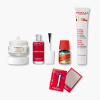
- Cuticle Oil: daily nourishment with sunflower, sweet almond and olive oils, vegan
- Cuticle Cream: daily softening care for dry, torn cuticles
- Cuticle Remover: weekly care for a clean, perfect nail contour
- Mavaderma: nail-growth massage oil that conditions the cuticle as you massage
- Mava-Plus Hand Cream: intensive care for very dry, damaged hands
- Browse the full Nail Care collection
Sources
NHS, Nail problems
British Association of Dermatologists, Chronic paronychia patient information leaflet
DermNet, Paronychia