Splitting & Peeling Nails: Causes & How to Fix Them
If your nails are peeling away in fine layers or splitting horizontally across the tip, you are dealing with a different problem from a nail that simply snaps. This is the nail plate coming apart in sheets, and dermatologists call it onychoschizia: lamellar splitting of the nail caused mainly by water and detergent damage. Our nail expert Lynn Mason explains what is really happening, the everyday habits that quietly make it worse, and the Swiss routine that brings peeling, splitting nails back together.
summary
Why are my nails splitting and peeling?
If your nails are peeling away in fine layers or splitting horizontally across the tip, you are dealing with a different problem from a nail that simply snaps. This is the nail plate coming apart in sheets, and dermatologists call it onychoschizia: lamellar splitting of the nail caused mainly by water and detergent damage. Our nail expert Lynn Mason explains what is really happening, the everyday habits that quietly make it worse, and the Swiss routine that brings peeling, splitting nails back together.
Your nail plate is built from many thin layers of dead cells, held together by a small amount of natural oil and moisture, almost like sheets of plywood bonded with glue. Every time the nail soaks in water and then dries out, that binding oil is stripped away, the layers loosen, and the tip starts to flake and peel. The good news is that splitting and peeling respond very well to the right care, because the nail is always growing: what you do over the next two to three months decides whether the new nail coming through is sealed and smooth or dry and flaking.
What is the difference between splitting and breaking nails?
It is worth being precise, because the fix is different. A breaking nail snaps cleanly through its whole thickness, usually because it is too rigid and dry; that is brittleness, and it is covered in our Brittle Nails guide. A splitting or peeling nail comes apart in layers: the tip flakes into fine sheets, or the free edge splits horizontally and lifts. The medical name for that layered separation is onychoschizia, and it points to a specific cause, the loss of the oil and moisture that bonds the nail's layers together, rather than the nail simply being too hard.
In practice many people have a bit of both, and the routine below helps either way. But if your main complaint is layers peeling and lifting, focus on putting the oil and moisture back as much as on hardening: the layers need to re-bond, and the tip needs fortifying while the new nail grows through. The routine below does both.
Why are my nails peeling? The wet-dry cycle
The single most common reason nails split and peel is repeated wetting and drying. Onychoschizia, the lamellar splitting you see at the tips, is most often the result of water and detergent damage, and it is especially common in people whose hands are in and out of water all day. Every time the nail absorbs water it swells; as it dries it shrinks back. Repeat that ten or twenty times a day, with washing-up liquid and hand soap stripping the nail's natural oils each time, and the bond between the layers gradually fails. The layers loosen, the tip starts to peel, and because the nail is dead tissue with no blood supply, it cannot repair the damage on its own.
This is why splitting and peeling are so common among people who wash up without gloves, work in healthcare, hospitality or cleaning, or simply wash their hands frequently. It is also why the fix starts with protection: the NHS advice for nail problems is to wear rubber gloves whenever your hands are often in water, and to apply hand cream to your nails and fingertips regularly. Protect the nail from water and put the oil back, and you stop the peeling at its source.
Nails are layers held together by oil
Here is the idea that makes everything else make sense. Your nail plate is not a single solid sheet; it is made of many thin layers of dead, flattened cells, bonded together by a little oil and moisture. The only living part of the nail is the matrix, the root tucked under the cuticle, and that is the only place oil and moisture are ever added, while the nail is being formed. Once the nail has grown out past the matrix, it gets no fresh supply: whatever oil it left the root with is all it will ever have.
So when water, solvents and heat evaporate that oil away faster than the matrix can build it in, the bond between the layers weakens and they peel apart at the tip, the part of the nail that is oldest, driest and furthest from its original supply. That also explains why peeling tends to get worse the longer your nails grow, and as we get older and natural oil production slows. The answer, then, is twofold: put oil and moisture back so the layers re-bond, and seal the existing flaking layers down while the new, better-formed nail grows through.
What makes splitting and peeling worse
A handful of everyday habits quietly speed up the damage:
- Picking and peeling polish or gels off. This is the worst thing you can do to a peeling nail, because it tears away the top layers of the nail plate along with the colour, leaving the surface thin and flaking. Always soak off or gently remove polish, never pick.
- Acetone removers strip the nail's natural oils as well as the polish. Choose a low or nil-acetone remover and keep removal to once or twice a week at most.
- Gel and acrylic removal is one of the harshest things a nail goes through, between the long acetone soak and the scraping. If your nails started peeling after a run of gel manicures, give them a recovery break with a re-oiling routine before the next set.
- Filing back and forth saws the layers apart at the very edge that is already splitting. Use the fine side of an emery board and file in one direction only, never sawing.
- Using nails as tools, prising, scratching and scraping, flexes the free edge and lifts the layers.
One note worth repeating: peeling nails are the one problem where the cause is often the cure being done wrong. Picking old gel off at your desk sands your own nails down a layer at a time. Stop picking, put the oil back, and the difference in a month is considerable.
How to fix splitting and peeling nails: the Swiss routine
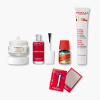
Our approach to peeling nails, refined since 1959, does two things at once: it puts the lost oil and moisture back so the layers re-bond, and it fortifies the flaking tip while the new nail grows. It takes only minutes a week.
- Mava-Flex Serum is the re-oiling step. It is our moisturising serum for dry, hard and thickened nails, designed for exactly the dryness that lets layers separate. Brushed over the whole nail twice a week, preferably in the evening, and massaged in, it restores the moisture the peeling nail has lost so the layers can bond again rather than flake apart.
- Scientifique K+ fortifies the tip. Our nail hardener is specially designed for brittle or splitting nails and strengthens the most delicate part of the nail: the tip, which is precisely where lamellar splitting happens. Apply it from the centre of the nail to the tips, avoiding the cuticles, two to three times a week until your nails reach the strength you want, then taper to a maintenance application.
- Mava-Strong is your protective base coat. Designed for weak nails, it restores strength and resilience and protects the nail from the external damage caused by frequent contact with water and detergents, the very thing that started the peeling. Apply it at least twice a week, and wear it under polish or on its own.
Mava-Strong Base Coat took Bronze in the Nail Product of the Year category at the Health & Wellbeing Awards 2026.
- Cuticle Cream seals the routine each evening. Its rich formula softens the skin around the nails, making it easier to push cuticles back and keep a neat nail contour. Massaged in nightly, it keeps the skin at the nail's root supple, which is where the new nail is being formed.
- Mavaderma helps you grow out the damage sooner. It is a massage oil that promotes natural nail growth: massaged daily into the nail root area, preferably in the evening, it is useful when you want the split, peeling length replaced with fresh, well-formed nail. Apply it after, not before, treatments like Scientifique K+ or Mava-Flex, as its oily texture can affect their absorption.
How do I stop my polish peeling off at the tips?
There is a related kind of peeling that is not about the nail at all: it is the polish itself wearing away at the very tips while the rest of the colour stays put. This happens because the free edge takes the most wear, and it is the easiest thing to fix. Seal the tips when you paint by brushing a little colour and then top coat over and under the free edge, and reapply a fresh layer of top coat every day or two. A daily top coat protects the colour underneath, refreshes the shine and stops the tips wearing back to bare nail.
Doing this also protects the nail itself, because an intact layer of polish shields the plate from the water and detergent that cause real peeling. Just remember to remove it gently with a low-acetone remover rather than picking it off.
Daily habits that protect the repair
The routine above rebuilds the nail; these habits stop you undoing the work:
- Gloves for wet work. Cotton-lined rubber gloves for washing up and cleaning are the single most effective thing you can do for peeling nails, because they break the wet-dry cycle that causes onychoschizia in the first place.
- Re-oil after every handwash where you can. Keep a cuticle cream or hand cream by the sink, because every wash strips a little more of the oil that holds your nail layers together.
- Keep nails a sensible length while they recover. A shorter free edge is older, drier nail with less leverage to catch, lift and peel; trimming back the flaking length lets healthier nail take over.
- File little and often with a fine emery board, in one direction, so you smooth the splitting edge rather than sawing it further apart.
When to see a GP about splitting or peeling nails
Most splitting and peeling is environmental and improves within two to three months of consistent care. A few signs, though, are worth a professional opinion rather than a product:
- A sudden change across all ten nails with no change in your routine
- Splitting alongside fatigue, hair thinning or feeling unusually cold, which can occasionally point to an iron deficiency or thyroid issue
- A nail that changes shape or colour, lifts from the nail bed, or falls off when you do not know why
The NHS advises seeing a GP if a nail has changed shape or colour, or has fallen off, and you do not know why. None of these are usually a cause for alarm, but your GP or pharmacist can rule out the less common medical causes simply.
Why are my nails peeling?
Nails peel when the thin layers that make up the nail plate lose the oil and moisture that bond them together, so they separate and flake at the tip. The usual cause is repeated wetting and drying: every time your hands go in water the nail swells and then shrinks as it dries, and detergents strip its natural oils along the way. Dermatologists call this layered splitting onychoschizia and link it mainly to water and detergent damage. Picking polish or gels off, harsh acetone removers and frequent handwashing all make it worse. Protect the nail from water with gloves and put the oil back daily, and the peeling stops as new nail grows through.
What is the difference between splitting and peeling nails and brittle nails?
Splitting and peeling describe the nail's layers coming apart: the tip flakes into fine sheets or splits horizontally and lifts, a pattern dermatologists call onychoschizia. Brittle nails describe the whole nail snapping cleanly because it is too rigid and dry. The causes overlap, both come back to dryness and the wet-dry cycle, but the emphasis differs: peeling nails most need their lost oil and moisture restored so the layers re-bond, while brittle nails most need flexibility so they bend rather than break. Many people have a mix of the two, and a routine that re-oils and protects the nail helps either way.
How do I stop my nails peeling?
Protect and re-oil at the same time. Wear gloves for washing up and cleaning to break the wet-dry cycle, switch to a low-acetone remover, and never pick polish or gels off. Then rebuild: massage in Mava-Flex Serum to restore the moisture the peeling nail has lost, brush Scientifique K+ from the centre of the nail to the tips to fortify the splitting tip, wear Mava-Strong as a protective base, and massage a cuticle cream into the skin around the nail every evening. Expect visible improvement within a few weeks and full recovery as the new nail grows through over two to three months.
Does picking gel polish off cause peeling nails?
Yes, it is one of the most common causes of peeling. When you pick or peel gel or regular polish off, you tear away the top layers of the nail plate along with the colour, leaving the surface thin, rough and flaking. Always soak gels off properly or have them removed professionally, and take regular polish off gently with a low-acetone remover rather than picking. If your nails started peeling after a run of gel manicures, give them a recovery break with a daily re-oiling routine before the next set.
Can a nail hardener fix peeling nails?
A hardener helps with one part of the problem but not on its own. Peeling nails are short of oil and moisture, so the first job is to put those back with a moisturising serum and cuticle oil so the layers re-bond. A hardener such as Scientifique K+, which is designed for splitting nails, then fortifies the tip, precisely where the splitting happens. Re-oiling plus the hardener together is the pairing that works: the serum re-bonds the layers while the hardener reinforces them.
About Lynn Mason, Mavala UK Nail Expert
Lynn Mason is our resident nail expert. She has worked with Mavala for over a decade, training nail technicians and beauty editors across the UK and writing our how-to guides.
Lynn's view: "Peeling nails look fragile, but they are honestly one of the most fixable problems I see. The nail is just layers held together by oil, and once you stop stripping that oil out at the sink and picking polish off, and start putting it back every evening, the layers bond and the flaking grows out. Gloves and a cuticle oil do more than any miracle product ever will."
Mavala UK Online Store
Sources
NHS, Nail problems: self-care for nail problems (rubber gloves when hands are often in water, regular hand cream) and when to see a GP
DermNet, Nail terminology: definition of onychoschizia as distal lamellar or splitting nails due to water and detergent damage