Keratin Nails: What Keratin Does and How to Strengthen Them
Here is the thing most people get wrong about "keratin nails": you do not add keratin to your nails, because your nails already are keratin. The nail plate, the hard part you paint and file, is made of a tough structural protein called keratin, the same protein in your hair and the outer layer of your skin. So when nails turn weak, soft, splitting or peeling, the keratin structure is what has been weakened. The job of a good keratin nail treatment is not to pour in more protein. It is to harden and protect the keratin you already have so it stops splitting and peeling. In this guide, Mavala UK's nail expert Lynn Mason explains what keratin actually is, why a "keratin hardener" like Scientifique K+ works the way it does, how it differs from gel nails, and how to use it without overdoing it. The Swiss approach has always been to treat the nail you have rather than mask it, and that is exactly what this routine does.

summary
What is keratin, and what does it have to do with my nails?
Keratin is a strong, fibrous protein, and it is the main building block of your nails, your hair and the outer layer of your skin. Your nail plate is not "coated" in keratin. It is made of it. Dermatologists describe nails as a specialised form of the skin's surface layer that is made predominantly of keratin, built up from many layers of flat, hardened, tightly bonded cells. That layered structure is what makes a healthy nail both strong and a little bit flexible, so it bends under pressure instead of snapping.
This matters because it changes how you should think about nail strength. When a nail is weak, soft, brittle or peeling at the tip, the keratin structure has been compromised, usually by water, detergents, harsh removers or simple wear. The fix is not to add protein from a bottle. It is to support and protect the keratin already there so the layers stay bonded and the nail stops splitting.
Can you actually add keratin to your nails?
Not in the way the phrase suggests. You cannot inject or absorb fresh keratin into a finished nail plate to rebuild it from the inside, because the visible nail is made of dead, hardened cells with no living machinery to take protein in. New keratin is only made at the nail root, under the skin, as the nail grows. That is why nail strength is always a slow game: you are waiting for healthier nail to grow out, and protecting what is already there in the meantime.
So when a product is described as a "keratin treatment" for nails, read it as a treatment that works on or with the keratin structure, hardening it, sealing the layers and shielding it from damage, rather than a treatment that literally deposits new protein inside the nail. That distinction is the honest one, and it is also the useful one, because it tells you what to expect: a stronger, less splitting nail over a few weeks, not an overnight transformation.
What is a keratin nail hardener, and how does Scientifique K+ work?
A keratin nail hardener is a treatment that strengthens the existing nail by firming up its structure, especially at the weakest point. Mavala's Scientifique K+ is exactly that. It is described as a treatment specially designed for brittle or splitting nails that fortifies the most delicate part of your nail, the tip. The tip is where nails are oldest, driest and most prone to peeling and breaking, so concentrating the treatment there is deliberate.
The "K" in the name stands for keratin, and the idea is that the formula works with the nail's own keratin structure to make it harder and more resilient rather than soft and bendy. You apply it to clean, bare nails, and you build the effect over a few weeks of regular use. It is a treatment, not a polish, so it is the step you do first, before any base coat or colour.
How do you use Scientifique K+ correctly?
Less is more, and placement matters. Apply Scientifique K+ to clean, bare nails, working from the centre of the nail towards the tip only, and keep it off the cuticles and the surrounding skin. The tip is the target, because that is where splitting and peeling start. Use it two to three times a week until your nails reach the hardness you want, then ease off rather than using it every single day forever.
That last point is the one people miss. A hardener is a corrective treatment, not a daily habit you never stop. Nails can be over-hardened, which makes them rigid and more likely to snap rather than flex, so the goal is to bring weak nails back to strength and then maintain, not to keep piling it on. If you would rather not handle a separate bottle and brush, the same treatment comes in a Scientifique K+ Applicator pen, which makes the centre-to-tip application tidy and controlled.
Keratin nails vs gel nails: what is the difference?
They are opposite approaches. Gel nails are a hard cosmetic layer cured onto the surface of your nail to give colour and length that lasts for weeks. They sit on top of the nail and mask it. A keratin hardener like Scientifique K+ does the reverse: it treats the actual nail underneath to make your own keratin stronger, with nothing to cure and nothing to soak off.
The two often end up linked because so many people look for nail strengthening straight after removing gels. Gel removal, especially picking or peeling them off, drags away layers of the nail plate and leaves nails thin, soft and splitting. That is the classic moment to switch from a cosmetic gel to a treatment that rebuilds strength in the keratin you have. If you love the look of gels, the kindest plan is to give nails recovery periods between sets and use a hardener in those gaps, rather than going straight from one set to the next.
How do I rebuild strength in damaged, peeling nails?
restoring the keratin structure rather than rebuilding the nail overnight. Start with a hardener: Scientifique K+ applied to the tips two to three times a week firms up the weak edge where peeling begins. If your nails are thin and soft right across, a strengthening base such as Mava-Strong gives day-to-day resilience and protects against the water and detergents that soften keratin in the first place. Mava-Strong is described as a treatment that restores strength and resilience and protects nails from external damage caused by frequent contact with water and detergents.
For nails that are actively splitting and chipping and need protection while they recover, Nail Shield adds a two-phase protective barrier over the top, and it is designed to be paired with a treatment like Scientifique K+ underneath. The pattern is always the same: treat the keratin, protect the keratin, then wait for healthier nail to grow out. Strength grows in, it does not appear, so give it a few weeks and keep your hands out of harsh water where you can.
Does a base coat help protect keratin too?
Yes, and it is the easy win people skip. A base coat is the first layer you apply under colour, and it does two jobs for your keratin: it puts a protective barrier between the nail plate and the pigments in polish, which stops staining and yellowing, and the right one adds a little strength of its own. Mavala's 002 Base + Silicium is built around this idea, forming a protective barrier between your nails and the pigments in polish while its silicon-enriched formula supports nail quality and strength.
A base coat will not turn a weak nail strong on its own, that is the hardener's job, but it stops everyday polish wear from quietly damaging the keratin you are trying to protect. If your nails are soft as well as stained, Mava-Strong doubles as a strengthening base, so you get the barrier and the resilience in one step.
How long does it take to strengthen keratin nails?
Give it a few weeks, and judge it by the nail growing out rather than the nail you have today. Because new keratin is only made at the root, the strong, healthy nail you are working towards has to grow from the base to the tip before you really see the payoff, and fingernails grow slowly, roughly a few millimetres a month. A hardener used two to three times a week will firm up the existing tip fairly quickly, but the deeper improvement is the fresh nail coming through.
So the realistic timeline is: a noticeably firmer edge within a couple of weeks, and properly stronger nails over a few months of consistent care. The two things that derail it are stopping too soon and undoing the work daily, soaking hands in hot washing-up water, picking off gels, using acetone removers constantly. Protect the keratin between treatments and you give the new growth a fighting chance.
When weak nails are a sign to see a doctor
Most weak, splitting nails are a wear-and-tear problem you can improve at home with a hardener, a protective base and patience. Sometimes, though, a nail change is a medical issue rather than a cosmetic one. The NHS advises seeing a GP if a nail has changed shape, changed colour or fallen off and you do not know why. A sudden change across several nails, pain, swelling or a nail lifting away from the bed is worth getting checked rather than treating as ordinary brittleness.
The reassuring news is that keeping your keratin in good condition makes day-to-day weakness far less likely in the first place. Wear gloves for washing up and cleaning, keep a hardener going when nails are fragile, go easy on acetone and gels, and you protect the keratin structure that does all the work. Look after the protein and the strength follows.
What are keratin nails?
"Keratin nails" is really just a description of normal nails, because the nail plate is made of keratin, a tough structural protein. The phrase is usually used for keratin treatments, meaning hardeners like Scientifique K+ that strengthen the nail's existing keratin structure so it stops splitting and peeling. You are not adding keratin to the nail, you are protecting and firming up the keratin already there.
Can you really add keratin back into your nails?
Not into the finished nail. The visible nail is made of dead, hardened cells, so it cannot take in new protein. New keratin is only produced at the nail root as the nail grows. A keratin treatment works by hardening and protecting the existing structure, and the genuinely new, stronger keratin arrives by growing out from the base over the following weeks.
What does a keratin nail hardener like Scientifique K+ do?
It strengthens brittle or splitting nails by fortifying the most delicate part, the tip. You apply Scientifique K+ to clean, bare nails from the centre to the tip, two to three times a week, until your nails reach the hardness you want. It is a treatment rather than a polish, so it goes on first, before any base coat or colour.
Are keratin treatments better than gel nails?
They do different jobs. Gel nails are a cosmetic layer cured on top of the nail for colour and length, while a keratin hardener treats the natural nail underneath to make it stronger. Many people reach for a hardener straight after gels, because gel removal thins and weakens the nail. If you wear gels, leave recovery gaps between sets and use a hardener in those gaps.
How long does it take for keratin nails to get stronger?
Expect a firmer tip within a couple of weeks and properly stronger nails over a few months. Because new keratin only grows from the root, you are waiting for healthier nail to grow out while you protect what is there. Use a hardener two to three times a week, protect nails from harsh water and acetone, and do not stop too soon.
About Lynn Mason, Mavala UK Nail Expert
Lynn Mason is Mavala UK's resident nail expert. She has worked with the Mavala brand for over a decade, training nail technicians and beauty editors across the UK and writing Mavala's how-to guides.
Lynn's view: "The word keratin gets used like a magic ingredient, but the honest version is more useful. Your nails are keratin, so a good keratin treatment is not about adding protein, it is about hardening and protecting the structure you have so it stops splitting. Use a hardener on the tips a few times a week, protect your nails from harsh water and gels, and give the new growth time to come through. Slow and steady wins nails every time."
Mavala UK Online Store
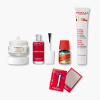
- Mavala Scientifique K+: keratin nail hardener that fortifies brittle, splitting nails at the tip
- Scientifique K+ Applicator: the same hardener in a controlled pen for tidy centre-to-tip application
- Mava-Strong Base: strengthening base that restores resilience to thin, soft and brittle nails
- 002 Base + Silicium: silicon-enriched base coat that protects against staining and supports nail strength
- Nail Shield: two-phase protective barrier for brittle, fragile nails, ideal alongside a hardener
- Browse the full Nail Care collection
Read next
- How to strengthen weak nails: the full routine
- Brittle nails: why they split and how to fix them