How to Strengthen Weak Nails: A Nail Expert's Guide
If your nails are weak, splitting at the tips or peeling into layers, the good news is that most of them can be coaxed back to health with a steady routine rather than a quick fix. Nails grow slowly, so strengthening them is a programme, not a single product, and the single most useful thing to understand is this: a treatment hardens and protects the nail you already have, it does not grow you a brand new one. Look after the nail as it grows out and, over a few months, the stronger nail simply replaces the weak one. In this guide, Mavala UK's nail expert Lynn Mason sets out a practical nail-rehab routine: what nails are actually made of, why they go weak in the first place, how to build a daily and weekly programme that protects the tips, and when a weak nail is a sign of something that needs a doctor rather than a base coat. The Swiss approach has always favoured patient, consistent care over harsh shortcuts, and that is exactly what damaged nails respond to.

summary
What are nails actually made of?
Your nails are made of keratin, the same tough structural protein found in your hair. Dermatologists describe the hard keratins in nails as being embedded in a supporting matrix of proteins that gives the nail its rigidity and resistance, which is what lets a healthy nail take a knock without splitting. When people talk about "strengthening" a nail, what they really mean is keeping that keratin structure intact and protected, because once a layer splits or peels, you cannot glue it back: you have to grow it out.
This matters for your expectations. The visible nail, the part you file and polish, is already dead tissue pushed out from the matrix at the base. So nothing you brush on can repair damage that has already happened in the nail you can see. What a good routine does is protect the existing nail from further harm and give the new growth coming through the best possible start.
Why do nails go weak in the first place?
Weak nails almost always come down to a mix of everyday wear and a loss of moisture. The most common culprit is water. Dermatologists use the term onychoschizia for splitting, brittle nails caused by repeated water and detergent damage, which is exactly what happens when hands are in and out of washing up, cleaning or hand-washing all day. The constant wetting and drying makes the nail layers swell and shrink until they start to separate and peel.
Other everyday causes pile on top of that: harsh nail-varnish removers, over-filing, picking and biting, and the physical damage that comes from artificial nails. The British Association of Dermatologists notes that acrylate-containing nails can cause physical damage to the nails and cuticles when they are removed, whether by buffing, scraping or acetone soaking, which is why nails so often feel thin and ragged after a run of gel manicures. Nails can also simply become more brittle with age, and the NHS notes they may become harder, softer or more brittle during pregnancy.
How do you strengthen weak nails? The routine that works
Strengthening weak nails comes down to three habits done consistently: protect, harden and nourish. None of them is dramatic on its own, but run together over a couple of months they let a stronger nail grow in to replace the weak one.
Protect the nail from the things that weaken it. Wear gloves for washing up and cleaning, keep filing gentle and in one direction, and give harsh acetone removers a rest while your nails recover. This step does nothing visible on day one, but it stops you undoing your progress.
Harden the existing nail. A keratin nail hardener like Mavala Scientifique K+ is the hero of a rehab routine, applied to the most vulnerable part of the nail, the tip, to reinforce it against splitting and breaking. Use it as directed rather than constantly, as hardeners are a treatment, not a daily varnish.
Nourish the nail and the skin around it. Dry nails are brittle nails, so a moisturising treatment such as Mava-Flex Serum helps restore flexibility to hard, dry nails, and keeping the cuticle soft supports healthy new growth. Flexible nails bend instead of snapping.
What is the best treatment for weak, splitting nails?
For nails that are weak, soft and prone to breaking, a dedicated nail hardener is the most direct treatment. Mavala Scientifique K+ is formulated to strengthen and protect, and it works on the most delicate part of the nail, the tip, which is where splits and breaks usually start. Because the tip is the oldest, most worn part of the nail, reinforcing it is the single highest-value thing you can do for a fragile nail.
If you would rather harden as part of your polish routine than as a standalone treatment, Mava-Strong Base is a strengthening base coat designed for weak nails that restores strength and resilience and protects against the water and detergent damage that causes so much brittleness in the first place. One is a focused treatment, the other builds protection into your everyday manicure. Many people use Scientifique K+ during an intensive rehab phase, then switch to Mava-Strong as a maintenance base once their nails are back in good shape.
Mava-Strong Base Coat took Bronze in the Nail Product of the Year category at the Health & Wellbeing Awards 2026.
How do you repair nails after gel or acrylic damage?
You repair gel and acrylic damage the same way you grow out any other damage: you protect the weak nail and let healthy nail replace it. The damage from artificial nails is largely physical. The British Association of Dermatologists explains that acrylate nails can damage the nails and cuticles when removed by buffing, scraping or acetone soaking, so by the time the gel is off, the surface is usually thin, peeling and indented. None of that can be reversed on the nail you can see, but all of it grows out.
While it does, give the nail support. Buff the surface very lightly to smooth ridges rather than thin the nail further, then use a keratin hardener such as Mavala Scientifique K+ to reinforce the weakened tip. If your nails take a lot of knocks, Nail Shield builds a tougher protective barrier to guard them against shocks, splits and chips while the stronger nail comes through. The aim through this phase is simply to stop further damage and buy time for healthy growth.
How do you stop nails peeling and splitting into layers?
Peeling and flaking into layers is your nail telling you it has dried out. When a nail loses oil and moisture, the layers that make up the nail plate start to come apart, and that is what you see flaking off the tip. So the fix is moisture, not more hardening on its own. A moisturising serum like Mava-Flex is made for dry, hard nails and helps restore flexibility, which is what keeps the layers bound together rather than splitting apart.
Pair that with the protect step from your routine, because water is what dries nails out in the first place. Wearing gloves for wet work, going easy on acetone, and keeping the nails and cuticles nourished addresses the cause rather than just the symptom. A nail that holds its moisture flexes under pressure instead of shearing into layers.
If you want to go deeper on this one symptom, see our separate guide on splitting and peeling nails.
Can you strengthen your nails naturally?
A lot of "natural" nail strengthening is really just good habits, and they genuinely help. Keeping your hands out of water where you can, wearing gloves for cleaning and washing up, filing gently in one direction, not using your nails as tools, and not biting or picking at them will all let a stronger nail grow through. The NHS lists hands often being in water or cleaning products, injuries, biting, and cutting nails at an angle among the things that contribute to nail problems, so removing those is the most natural strengthening there is.
Diet plays a supporting role too. Nails are made of protein, so a varied, balanced diet gives the matrix the building blocks it needs, and persistently weak nails are occasionally a sign of a wider health issue worth raising with a GP. There is no food or supplement that will rescue an already-damaged nail overnight, though. Strengthening, natural or otherwise, always comes back to protecting the nail and being patient while it grows.
How long does it take to strengthen weak nails?
Plan in months, not days. A fingernail takes roughly three to six months to grow out fully from base to tip, so a nail that is weak today will not be replaced by strong new growth for most of that time. This is the honest answer behind every nail-rehab routine: the products protect and support, but the calendar does the actual repairing. The reassuring part is that you will usually feel the difference, less splitting, fewer breaks, before you see a fully grown-out healthy nail.
The mistake people make is giving up at three or four weeks because nothing looks transformed. Stick with the protect, harden and nourish routine, keep the tips reinforced, and judge progress by how the new growth at the base looks rather than the worn tip. Smoothing the surface with a Ridge Filler in the meantime gives an even, cared-for finish while the stronger nail works its way out.
When weak nails need a doctor, not a treatment
Most weak, splitting nails are a cosmetic problem you can fix at home with protection and patience. Sometimes, though, a change in your nails is a sign of something that needs medical attention rather than a hardener. The NHS advises seeing a GP if a nail has changed shape, changed colour or fallen off and you do not know why, or if the skin around your nails has become sore, red, swollen and warm, which can be a sign of an infection. Deep lines or grooves across the nails can also appear after you have been ill, so a sudden change worth noticing is worth mentioning.
If your nails have always been on the weaker side and you are simply growing out everyday wear, a good routine is all you need. But do not spend months treating a nail with hardeners and serums if the real issue is medical. When in doubt, get it looked at, then come back to the strengthening routine once you know what you are dealing with.
How do you strengthen weak nails?
Protect, harden and nourish, consistently, while the nail grows out. Wear gloves for wet work and go easy on harsh removers and filing to stop further damage, use a keratin hardener like Mavala Scientifique K+ to reinforce the tips, and apply a moisturising treatment such as Mava-Flex to keep the nail flexible. A treatment hardens and protects the nail you already have, so the real strengthening happens as healthy new nail grows in to replace the weak one over a few months.
Can you repair damaged nails, or do you have to grow them out?
You grow them out. The visible nail is dead tissue, so damage already done to it cannot be reversed by anything you brush on. What treatments do is protect the existing nail from further splitting and support the new growth coming through at the base. Plan on three to six months for a fingernail to grow out fully, and judge progress by the fresh nail near the cuticle rather than the worn tip.
What causes weak and brittle nails?
Mostly water and everyday wear. Dermatologists link splitting, brittle nails (onychoschizia) to repeated water and detergent damage, and the constant wetting and drying makes nail layers separate and peel. Harsh nail-varnish removers, over-filing, biting and picking, and the physical damage from removing gel or acrylic nails all add to it, and nails can become more brittle with age. Removing those causes is the first step to stronger nails.
How do you fix nails after gel or acrylic nails?
Buff very lightly to smooth ridges without thinning the nail, reinforce the weakened tip with a keratin hardener, and protect the nail while it grows out. The British Association of Dermatologists notes that acrylate nails can physically damage the nail and cuticle when removed by buffing, scraping or acetone soaking, and that damage cannot be reversed on the existing nail. Support the new growth with a hardener like Mavala Scientifique K+, and use Nail Shield if your nails take a lot of knocks.
Do nail hardeners actually work?
Yes, within limits. A keratin hardener reinforces the existing nail, especially the tip, so it splits and breaks less while it grows out, which is exactly what a weak nail needs. What a hardener cannot do is regrow or rebuild a nail, or cure a medical problem. Use it as a treatment rather than a constant daily varnish, pair it with moisture and protection, and give it the months a nail needs to grow through.
About Lynn Mason, Mavala UK Nail Expert
Lynn Mason is Mavala UK's resident nail expert. She has worked with the Mavala brand for over a decade, training nail technicians and beauty editors across the UK and writing Mavala's how-to guides.
Lynn's view: "The thing I most want people to hear about weak nails is that the repair happens as the nail grows, not in a bottle. A hardener protects the tip, a serum keeps the nail flexible, and gloves stop you undoing it all at the kitchen sink. But the real work is patience. Give it a couple of months of consistent care and the strong nail simply replaces the weak one. The Swiss way has always been steady, gentle care over harsh quick fixes, and damaged nails reward that more than anything."
Mavala UK Online Store
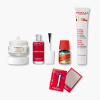
- Mavala Scientifique K+: keratin nail hardener that strengthens and protects the vulnerable tip
- Mavala Scientifique K+ Applicator: the same keratin hardener with a precision brush applicator
- Mava-Strong Base: strengthening base coat for weak nails, protects against water and detergent damage
- 002 Base + Silicium: protective, silicium-enriched base coat that guards against yellowing
- Mava-Flex Serum: moisturising serum that restores flexibility to dry, hard nails
- Nail Shield: tough protective barrier against shocks, splits and chips for fragile nails
- Ridge Filler: smooths uneven nail surfaces for an even finish and better polish wear
- Browse the full Nail Care collection
Sources
NHS, Nail problems
DermNet, Nail terminology
British Association of Dermatologists, Dermatologists issue warning about UK artificial nail allergy epidemic