Menopause and Your Skin: A Skincare Guide
If your skin feels drier, looks less plump and seems to have lost some of its bounce around the menopause, you are not imagining it. As oestrogen falls, skin makes less collagen, holds less water and rebuilds its barrier more slowly, so it can feel tighter, thinner and more sensitive than it used to. The menopause usually happens around the age of 51 in the UK, often after several years of perimenopause, and dry, itchy skin is a recognised part of it. The good news is that menopausal skin responds well to the right kind of care. This guide explains what actually changes, why, and how to look after skin so it feels nourished, comfortable and more like itself again.

summary
Why does skin change during the menopause?
Skin changes during the menopause mainly because oestrogen falls, and oestrogen is one of the hormones your skin relies on most. According to the British Skin Foundation, oestrogens help the skin produce glycosaminoglycans such as hyaluronic acid, which hold water in the skin, and they help support the barrier function of the upper skin layer. As levels drop, the skin makes less collagen, holds onto less moisture and protects itself less easily. That is why so many women notice their skin becoming drier, less firm and more reactive in their late forties and early fifties, even if their routine has not changed at all. It is a normal, expected shift, and once you understand it you can care for your skin accordingly.
When does this happen? Perimenopause and menopause explained
The menopause is the point when you have not had a period for 12 months. In the UK it usually happens between the ages of 45 and 55, according to the NHS, with 51 the most commonly cited average. Before that comes perimenopause, when you have menopausal symptoms but your periods have not yet stopped. Perimenopause can begin years earlier, often in your forties, and can last several years, though this varies a lot from person to person. Skin changes can begin during perimenopause rather than waiting for menopause itself, which is why some women notice the first signs of dryness and lost firmness earlier than they expected. Knowing roughly where you are in that timeline helps you start supporting your skin at the right moment rather than playing catch-up.
Does the menopause cause dry skin?
Yes. Dry, itchy skin is a recognised symptom of the menopause and perimenopause. The NHS lists "skin changes, including dry and itchy skin" among the symptoms, and the British Skin Foundation explains why: falling oestrogen reduces the skin's ability to hold water and weakens the barrier that keeps moisture in, so skin becomes drier and more sensitive. The face is one of the areas most affected, because it has a high concentration of oestrogen receptors. In practice that means skin can feel tight, look dull and become more easily irritated. The answer is not to scrub or strip it, but to give it gentle, water-binding hydration and a stronger barrier so that moisture stays where it belongs.
Loss of density and firmness: what happens to collagen
Alongside dryness, many women notice their skin feels less firm and less plump during the menopause. This is closely tied to collagen, the protein that gives skin its structure and bounce. The British Skin Foundation reports that collagen levels in the skin fall by about 2.1% per year after the menopause, and that around 30% of dermal collagen is lost in the first five years after menopause. The skin itself also becomes thinner over this time. That is a meaningful change in a short window, and it explains why skincare that simply sat on the surface before may no longer feel like enough. Menopausal skin generally needs more nourishment than it did before, with a focus on replenishing lipids, supporting comfort and helping skin look and feel denser and more supple.
How to care for menopausal skin: the three priorities
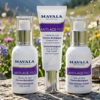
Caring for menopausal skin comes down to three jobs. First, replenish moisture, because skin is holding less water than it used to. Second, nourish and replenish lipids, because skin that is making less collagen and feeling less dense benefits from richer, more comforting care. Third, protect the barrier, so that the hydration and nourishment you add actually stay put and skin is better defended against the everyday things that dry it out. You do not need a long, complicated routine to do this. You need the right textures applied in the right order: a hydrating, water-binding step, a nourishing step that suits how dry your skin now feels, and consistency. Mavala's Aqua Plus and Nutri-Elixir ranges are built around exactly these priorities, and they work well together for skin that is both dehydrated and craving more nourishment.
Nutri-Elixir Essential Serum: nourishment for skin lacking density
When skin starts to feel drier and less dense, a nourishing serum is a good first step. The Mavala Nutri-Elixir Essential Serum is specially designed to revitalise dry, mature, or skin lacking density. It is a concentrate of replenishing actives that restores essential nutrients, revitalises the skin and helps reduce visible signs of ageing, leaving skin looking rejuvenated and revitalised. It is ophthalmologically and dermatologically tested. Apply it after cleansing, before your cream, so the nourishing concentrate goes on first. This is one of the products most directly suited to the loss of density that comes with menopausal skin. (30ml, £45.00.)
Nutri-Elixir Ultimate Cream: a nourishing cocoon for dry, mature skin
To seal in that nourishment, follow with a richer cream. The Mavala Nutri-Elixir Ultimate Cream is a transformative cream that envelops dry, mature, or skin lacking density with anti-ageing nourishment, helping skin regain absolute comfort, softness, suppleness and radiance. It is described as a true cocoon of care, and it helps relipidise and fortify the skin, reinforcing the skin barrier and revitalising the complexion. It is ophthalmologically and dermatologically tested. Use it morning and night over your serum as the nourishing, comfort-restoring step. For skin that feels noticeably drier and less plump around the menopause, this is the kind of richer texture that often feels like a relief. (45ml, £33.25.)
Aqua Plus for the hydration side: serum and featherlight cream
Because menopausal skin loses water as well as nourishment, hydration matters just as much as richness. If your skin feels tight and dehydrated, the Mavala Aqua Plus range puts water back. The Aqua Plus Intensive Serum is a moisturising intense serum that restores the skin's water balance, leaving the complexion fresh, radiant and plump, with skin intensely rehydrated, better protected and soothed in a single step. The Aqua Plus Featherlight Cream is specially formulated to provide 24 hours of non-stop hydration, a lightweight, melting cream that protects, soothes and delivers softness and comfort to dehydrated skin. Across the range, dehydrated skin becomes plumper, comfortable and supple, and is better protected thanks to a stronger barrier. You can lean on Aqua Plus on days when skin feels more dehydrated than dry, and on Nutri-Elixir when it feels in need of deeper nourishment. (Aqua Plus Intensive Serum 30ml, £41.00. Aqua Plus Featherlight Cream 45ml, £30.00.)
A simple daily routine for menopausal skin
You do not need a long routine, you need the right order and a little consistency. Cleanse gently, so you are not stripping skin that is already drier than it was. In the morning, apply a serum suited to how your skin feels that day, the Nutri-Elixir Essential Serum for nourishment or the Aqua Plus Intensive Serum for hydration, then seal it with a cream, the Nutri-Elixir Ultimate Cream for richer comfort or the Aqua Plus Featherlight Cream for lighter days. At night, lean towards the more nourishing options, since this is when skin does much of its repair work. Above all, keep it up. Menopausal skin changes gradually, so steady, regular care does more than any one-off treatment.
Can diet help menopausal skin?
Skincare works from the outside, and what you eat supports skin from within. No food can switch hormones back on, and it is best to be honest about that. But during and after the menopause, a few sensible habits genuinely support the skin you are caring for:
- Protein at every meal. Collagen and elastin are proteins, so skin needs a steady supply of their building blocks. Eggs, fish, chicken, beans, lentils and dairy all count.
- Vitamin C rich foods. Vitamin C contributes to normal collagen formation, which matters most at exactly the stage when collagen is naturally declining. Think citrus, berries, peppers, kiwi and leafy greens.
- Healthy fats. Oily fish such as salmon or sardines, plus nuts, seeds and olive oil, provide the fats that drier skin misses. The NHS suggests at least two portions of fish a week, one of them oily.
- Water over alcohol. Dehydration shows quickly on menopausal skin, and alcohol both dehydrates and disturbs the deep sleep that supports overnight repair. Keep water intake up and alcohol moderate.
You may also read about phytoestrogen foods such as soy and flaxseed. The evidence for skin specifically is mixed, so treat them as a possible bonus rather than a fix, and there is no need for expensive supplements. A balanced plate does most of the work, and it means every serum and cream in your routine is working on better-supported skin.
When to see a GP or dermatologist
Skincare can make menopausal skin look and feel a great deal more comfortable, but it is not a substitute for medical advice. Menopausal symptoms, including persistent skin changes, are worth discussing with your GP, especially if dryness or itching is severe, disrupts your sleep or does not settle. The NHS has clear guidance on menopause and the support available, including treatment options that a doctor can talk through with you. If you have a specific skin concern that worries you, ask to be referred to a dermatologist. Looking after your skin well at home and getting medical support when you need it are not either-or, they work best together.
Why does skin change during the menopause?
Skin changes during the menopause mainly because oestrogen levels fall. Oestrogen helps skin hold water, supports its barrier and supports collagen, so as it declines, skin tends to become drier, thinner and less firm. According to the British Skin Foundation, collagen levels fall by about 2.1% per year after the menopause, and around 30% of dermal collagen is lost in the first five years. This is a normal, expected change.
Does the menopause cause dry skin?
Yes. The NHS lists "skin changes, including dry and itchy skin" as a recognised symptom of the menopause and perimenopause. Falling oestrogen reduces the skin's ability to retain water and weakens its barrier, so skin becomes drier and more easily irritated. Gentle, water-binding hydration and richer, nourishing care both help.
What is the best skincare for menopausal skin?
The best skincare for menopausal skin focuses on three things: replenishing moisture, nourishing and replenishing lipids, and protecting the skin barrier. Mavala's Nutri-Elixir range is designed for dry, mature or skin lacking density, while the Aqua Plus range targets dehydration and helps skin feel plumper, comfortable and supple. Many women find using both, nourishment when skin feels dry and hydration when it feels tight, works well.
At what age does menopausal skin change start?
Skin can begin to change during perimenopause, which often starts in your forties, before the menopause itself. In the UK the menopause usually happens between 45 and 55, according to the NHS, with 51 the commonly cited average. Because perimenopause can last several years, some women notice dryness and lost firmness earlier than they expect.
Can skincare replace lost collagen during the menopause?
No skincare can replace lost collagen or stop the natural changes of the menopause, and it is best to be honest about that. What good skincare can do is help skin look and feel more nourished, more comfortable, more hydrated and more supple. Nourishing and hydrating products such as Mavala's Nutri-Elixir and Aqua Plus ranges support the appearance and comfort of menopausal skin. For medical concerns about menopause, speak to your GP.
Mavala UK Online Store
Sources
British Skin Foundation, "The impact of the menopause on your skin." Cites collagen falling by about 2.1% per year after menopause and around 30% of dermal collagen lost in the first five years; oestrogen's role in glycosaminoglycans/hyaluronic acid and skin barrier function; skin becoming thinner. britishskinfoundation.org.uk (accessed 20 June 2026)
NHS, "Symptoms of menopause and perimenopause." Lists skin changes, including dry and itchy skin. nhs.uk (accessed 20 June 2026)
NHS, "Menopause and perimenopause." Usually affects women between 45 and 55; perimenopause definition; medical guidance and treatment. nhs.uk (accessed 10 July 2026)
On diet: NHS guidance on menopause self-care and the NHS Eatwell Guide, covering balanced meals, protein, at least two portions of fish a week (one oily), hydration and limiting alcohol. Vitamin C contributing to normal collagen formation for the normal function of skin is an authorised UK and EU nutrition and health claim.
About Mavala UK
Mavala is a Swiss, family-owned skincare and beauty house. Its skincare is formulated in Switzerland and its products, including the Aqua Plus and Nutri-Elixir ranges featured here, are ophthalmologically and dermatologically tested. Mavala UK brings the brand's Swiss skincare to British customers, with a focus on caring for skin at every stage of life, including the changes that come with the menopause. Everything in this guide is grounded in Mavala's own product information and in published UK health and skin authorities, listed in full above.