First Skincare: A Parent's Guide to Starting from Around 12
From around 12, when hormones start to change the skin, a very basic routine is enough: a gentle cleanser, a moisturiser (even for oily skin) and sun protection. Strong actives such as retinol, vitamin C and exfoliating acids are not needed by younger skin. On 25 September 2026, BBC Newsround looked at why so many young people now use skincare and make-up, and what it could be doing to their skin. This guide is for parents of tweens and young teens. Every Mavala product we name here carries its own age line on its product page.

summary
In brief
- From around 12, hormones can start to change the skin: more oil, shine, congestion and the occasional breakout. That is a good time to start a very basic routine.
- Basic means cleanse, moisturise and protect from the sun, not a shelf of strong actives seen on social media.
- Oily or combination skin still needs moisture. Skipping moisturiser does not stop shine.
- Strong actives such as retinol, vitamin C and exfoliating acids are not needed by younger skin.
- If the skin is sore, red or reacting, stop and ask a pharmacist or GP.
What is the news about young people and skincare?
On 25 September 2026, BBC Newsround reporter Nina Blissett looked at why so many young people now use skincare and make-up. Save Face, a register of doctors, nurses and dentists who provide non-surgical cosmetic treatments, accredited by the Professional Standards Authority, told the BBC that more and more parents are contacting it after their children spent pocket money on skincare they thought was harmless. With continued use, some developed eczema or dermatitis, and a few were left with burns. Its director, Ashton Collins, wants clear labels showing what is and is not suitable for children. Kate Dearden, Minister for Consumer Protection, told Newsround that any cosmetics sold here have to follow the government's rules. One young person put it simply: products should "make it more clear that it's not for young people's skin".
Save Face published its call for restrictions in October 2025 and launched the campaign with ITV's Good Morning Britain. It asks for clear, prominent labels stating a product is not suitable for under-18s, restrictions on online and retail sales to under-18s, and platforms, influencers and brands held accountable for promoting potentially harmful products to children.
In July 2026, ITV News reported children as young as four using anti-ageing products, with the British Association of Dermatologists calling for clearer labelling and warning of irritation, allergic reactions and damage to the skin barrier.
The cosmetics industry agrees. The Cosmetic, Toiletry and Perfumery Association told Newsround that young skin does not need anti-ageing products or complex routines: simple hygiene habits are enough, with sun protection when needed.
When should skincare start?
When the skin starts to change, not before. Lynn Mason of Mavala UK puts it at around puberty, from about 12, when hormones can increase oil production, shine and congestion, with occasional breakouts. “That is a good point to introduce a very basic skincare routine,” she says, “rather than young people using lots of different products and strong actives that they see on social media.”
UK dermatologist Dr Emma Wedgeworth gave BBC Newsround the same advice: young skin is sensitive, harsh products such as retinoids and harsh acids can leave it dry, red and flaky or cause reactions, and the routine should be very simple, with gentle cleansing, a little moisturiser, sun protection always, and make-up taken off at the end of the day.
A basic routine from around 12
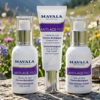
- Cleanse, gently. Morning and evening, with something that cleans without stripping the skin. Our Pore Detox Perfecting Foaming Cleanser is a soap-free micellar foam at physiological pH that removes make-up and impurities in one step. It contains Alpine Willowherb to purify the skin without drying it out, which suits skin that is starting to get oilier or more congested.
- Moisturise, even if the skin is oily. “There can be a tendency to think that if the skin is oily you shouldn’t moisturise it,” says Lynn, “whereas keeping the skin properly hydrated and supporting the skin barrier is still really important.” Our Pore Detox Perfecting Hydra-Matt Fluid is a daily moisturiser for skin prone to shine and imperfections, with a sebum-reducing complex of Alpine Willowherb and rosehip berries. For skin that feels tight or dehydrated rather than oily, our Aqua Plus Intensive Serum restores the skin's water balance, leaving it rehydrated, better protected and soothed.
- Protect from the sun. The NHS says that from March to October in the UK, children should cover up, spend time in the shade between 11am and 3pm, and wear at least SPF 30.
What should younger skin skip?
Strong actives. In guidance from the American Academy of Dermatology, dermatologist Dr Marisa Garshick recommends a gentle cleanser, a fragrance-free moisturiser and sunscreen of SPF 30 or higher for tweens, and advises that tweens and teens avoid retinol, vitamin C and exfoliating acids, because younger skin is thinner and more easily irritated, and those ingredients offer it no benefit.
That applies to our own range too. Lynn would not recommend our Skin Vitality range for younger skin: it is a more active range, with ingredients such as vitamin C and AHAs, which younger skin generally does not need.
And for younger children?
Start with the hands and lips, not the face, and let a grown-up apply the product. Mavaderma, a nourishing oil for the skin around the nails, “Can be used from age 3.” Our Lip Balm and Tinted Lip Balm are “Not suitable for children under 3 years old.”
When should my child start using skincare?
From around 12, if the skin is starting to change, with a basic routine: gentle cleansing, a moisturiser and sun protection. Before that, gentle washing and sun protection are enough.
Does oily skin still need a moisturiser?
Yes. Oily or combination skin still needs hydration, and keeping the skin barrier supported is important. Choose a light, non-greasy texture.
Should teenagers use retinol or skincare acids?
No. UK dermatologist Dr Emma Wedgeworth told BBC Newsround that harsh products such as retinoids and acids can damage young skin, and US dermatologists advise tweens and teens to avoid retinol, vitamin C and exfoliating acids.
Which Mavala skincare is suitable from 12?
Our Pore Detox range is suitable for ages 12+: a gentle cleanser, a toning lotion, a daily moisturiser for shine-prone skin and a purifying mask. For skin that needs more hydration, our Aqua Plus range is also suitable for ages 12+.
What if a product causes a reaction?
Stop using it. The NHS advises speaking to a pharmacist, and seeing a GP if symptoms are persistent, recurrent or severe.
Mavala UK Online Store
Age lines quoted exactly from our product pages.
- Pore Detox Perfecting Foaming Cleanser: “Suitable for ages 12+”
- Pore Detox Perfecting Hydra-Matt Fluid: “Suitable for ages 12+”
- Aqua Plus Intensive Serum: “Suitable for ages 12+”
- Mavaderma: “Can be used from age 3.”
- Lip Balm: “Not suitable for children under 3 years old.”
Sources
BBC Newsround, Why skincare and makeup could be damaging young skin?, Nina Blissett, 25 September 2026.
Save Face, Save Face Urgently Calls for Restrictions on Skincare Sales to Under-18s Amid Rising Concerns, 8 October 2025.
Save Face, Save Face Launches Campaign with ITV Good Morning Britain to Protect Children from Harmful Skincare Products.
ITV News, Children as young as four using anti-ageing skincare products, 17 July 2026.
American Academy of Dermatology, A dermatologist's guide to skincare from growing up to glowing up, 28 October 2025.
NHS, Sunscreen and sun safety.
NHS, Contact dermatitis.
Lynn Mason, Mavala UK.
Product descriptions, ingredients and age lines from our own product pages, read 8 October 2026.