Do Sleeping Masks Work? Overnight Masks Explained
Yes, sleeping masks work, when you understand what they are for. A sleeping mask is a leave-on treatment you apply as the last step of your evening routine and wear overnight, rinsing it off in the morning. While you sleep, skin is in recovery mode and loses water more freely, so a richer leave-on layer helps hold moisture in place and supports the skin's barrier through the night. The result most people notice is skin that looks plumper, fresher and more comfortable by morning. This guide explains how overnight masks work, how to use one, how often, and the important difference between a leave-on sleeping mask and a rinse-off mask.

summary
Do sleeping masks work?
Yes, sleeping masks work, when you understand what they are for. A sleeping mask is a leave-on treatment you apply as the last step of your evening routine and wear overnight, rinsing it off in the morning. While you sleep, skin is in recovery mode and loses water more freely, so a richer leave-on layer helps hold moisture in place and supports the skin's barrier through the night. The result most people notice is skin that looks plumper, fresher and more comfortable by morning. This guide explains how overnight masks work, how to use one, how often, and the important difference between a leave-on sleeping mask and a rinse-off mask.
The one thing to get right first: not every product called a "mask" stays on overnight. A sleeping mask is leave-on. A rinse-off mask, such as Mavala's Aqua Plus Snow Mask, is designed to act for around ten minutes and then come off. Both hydrate, but they are used very differently, and we cover both below.
What is a sleeping mask?
A sleeping mask, sometimes called an overnight mask or a night mask, is a leave-on skincare treatment worn while you sleep. You apply it after your serum and moisturiser as the final step of your evening routine, leave it on all night, and rinse or cleanse it away in the morning. Think of it less as a traditional clay-style mask and more as a concentrated overnight layer that seals in everything underneath it.
Most sleeping masks have a gel-cream or cream texture that sinks in gradually rather than sitting heavy on the skin. Their job is hydration and comfort: holding moisture against the skin overnight so you wake to a fresher, more rested-looking complexion. They are a treatment step rather than a daily essential, used a few nights a week when skin needs a boost.
Leave-on sleeping mask vs rinse-off mask: the key difference
This is the distinction that trips most people up, so it is worth being clear. The two types of mask are used in completely different ways:
- A leave-on sleeping mask goes on at night and stays on while you sleep. You rinse it off in the morning. This is the overnight mask people mean when they search for a "sleeping mask".
- A rinse-off mask goes on for a short, set time, usually around ten minutes, then comes off straight away with a cotton pad or water. You do not sleep in it.
Both can hydrate beautifully, but you cannot swap one for the other. Sleeping in a rinse-off mask is not how it is designed to be used, and applying a leave-on overnight mask for ten minutes and removing it means you miss the overnight benefit it is built for. When you are choosing a product, check the label or the how-to-use section to see which type you have.
How does an overnight mask work?
Overnight is genuinely a good time to treat skin. Through the night skin is in its natural repair phase, and because you are not exposed to wind, sun or pollution, it is undisturbed for hours at a stretch. The trade-off is that skin also loses water more freely while you sleep, which is why some people wake up feeling tight or dull.
A leave-on sleeping mask works with that rhythm. Applied as the final step, it acts as a comfortable seal over your serum and moisturiser, helping to slow that overnight water loss and keep active ingredients in contact with the skin for longer. A well-formulated mask also supports the skin's natural barrier, the outer layer that keeps moisture in and everyday irritants out. The longer wear time is the whole point: ten minutes cannot do what eight hours can.
How to use a sleeping mask, step by step
Using an overnight mask is simple, and it slots onto the end of the routine you already have:
- Cleanse as usual to remove the day's make-up, SPF and grime.
- Apply your serum or treatment if you use one, and let it settle.
- Apply your moisturiser as normal.
- Apply the sleeping mask last, as a final layer over everything, using a thin, even amount across the face. Avoid the immediate eye area unless the product says it is suitable there.
- Sleep, and let it work overnight.
- Rinse off in the morning, or cleanse as part of your usual morning routine, then carry on with your day skincare and SPF.
A little goes a long way: a thin layer is enough, and too much can feel sticky against the pillow. If your skin is very dry, you can press a little extra onto the driest areas.
How often should you use an overnight mask?
A sleeping mask is a treatment, not a nightly must-do, so you do not need to use one every single night. Two or three nights a week is a sensible rhythm for most people, increasing when skin is feeling especially dry, tight or tired, for example in winter, after travel, or when central heating and air conditioning have left skin parched.
Listen to your skin rather than the calendar. If your complexion looks plump and comfortable, you can space masks out; if it feels dehydrated and dull, bring them closer together. There is no benefit to overloading skin every night, and a balanced routine works better than an intense one used inconsistently.
Mavala's leave-on sleeping masks
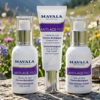
Mavala makes two leave-on overnight masks, each suited to a slightly different need.
The Aqua Plus Sleeping Mask is a hybrid cream-mask that works as an overnight hydration treatment, helping skin look fresh and plumped by morning. It is formulated to reinforce the skin's natural barrier and boost its hydration reserves, with a glucidic complex (including Xylitol) at its heart. It is dermatologically tested and suited to all skin types looking for hydration, comfort and suppleness.
The Skin Vitality Sleeping Mask is a new-generation night mask designed to enhance skin's vitality while you sleep, leaving skin looking instantly hydrated and energised. It belongs to Mavala's Swiss Skin Solution Skin Vitality line, aimed at tired-looking skin that wants to regain the healthy glow of rested skin, and it is dermatologically tested.
Where the rinse-off Snow Mask fits in
Mavala's award-winning Aqua Plus Snow Mask is sometimes confused with a sleeping mask, but it is a rinse-off mask, not an overnight one. Its innovative formula releases micro-droplets of water on contact with the skin to instantly rehydrate, soothe and replenish, with a glucidic complex to help strengthen the skin barrier. It is applied to clean skin one to two times a week and left to act for just ten minutes, then any excess is removed with a cotton pad. It is ophthalmologically and dermatologically tested.
So if you want a quick, cooling hydration hit you can do while you get ready, reach for the rinse-off Snow Mask. If you want hydration to work while you sleep, choose a leave-on sleeping mask. Many people happily use both: a Snow Mask treatment during the day and a sleeping mask overnight.
Who should use a sleeping mask?
Overnight masks suit anyone whose skin tends to feel dry, tight or dull, particularly when the environment is working against it. They come into their own in winter, when cold air outside and dry heat indoors strip moisture from the skin, and they are a useful recovery step after long-haul flights, late nights or a stretch of stress when skin looks tired.
If your skin is more on the oily or blemish-prone side, you can still use a sleeping mask, just choose a lightweight, hydration-focused gel-cream texture and use it a couple of nights a week rather than nightly. As with any new skincare step, if you have sensitive or reactive skin, patch test first and introduce one new product at a time so you can see how your skin responds.
Getting the most from your overnight mask
A few small habits make an overnight mask work harder:
- Apply to clean skin so nothing sits between the mask and your face.
- Use a thin, even layer; more is not better and can transfer to your pillow.
- Give it a minute to settle before lying down.
- Be consistent: a mask used regularly does more than an occasional heavy treatment.
- Pair it with hydration through the day, including a good moisturiser and SPF in the morning, so you are not undoing the overnight work.
Treat the sleeping mask as the finishing touch on a balanced routine rather than a rescue act, and you will see steadier, more comfortable-looking skin over time.
Do sleeping masks actually work?
Yes. A leave-on sleeping mask helps skin hold on to moisture overnight, when it would otherwise lose water more freely, and supports the skin's barrier through the night. The everyday result is skin that looks plumper, fresher and more comfortable by morning. They work best used a few nights a week as a treatment step, on top of a consistent daily routine, rather than as a one-off fix.
Can you sleep in a face mask?
You can sleep in a leave-on sleeping mask, because that is exactly what it is designed for. You should not sleep in a rinse-off mask, such as the Aqua Plus Snow Mask, which is meant to act for around ten minutes and then be removed. Always check whether your mask is leave-on or rinse-off before bed: the label or how-to-use section will tell you.
How often should you use an overnight mask?
For most people, two or three nights a week is ideal. Increase it when skin feels especially dry or tired, for example in winter or after travel, and space it out when skin is looking comfortable and plump. There is no need to use a sleeping mask every night; consistency a few times a week beats an intense routine used now and then.
Do you wash off a sleeping mask in the morning?
Yes. Apply the sleeping mask as the last step at night, sleep in it, then rinse it off or cleanse it away as part of your usual morning routine. After that, carry on with your daytime skincare and don't skip SPF. A rinse-off mask, by contrast, comes off the same evening after about ten minutes, not the next morning.
What is the difference between a sleeping mask and a moisturiser?
A moisturiser is a daily essential you use morning and night to keep skin hydrated and protected. A sleeping mask is an occasional treatment worn over the top of your moisturiser at night, acting as a richer overnight layer that helps seal everything in and slow water loss while you sleep. You do not replace your moisturiser with a sleeping mask; you apply the mask after it, a few nights a week, for an extra hydration boost.